


Let’s explore what periodontal disease is, how it affects both your oral and overall health, and the best ways to manage it.

Gum disease arises from the accumulation of bacteria. The toxins released by these bacteria create an unpleasant odor, resulting in persistent bad breath. Discover more about chronic bad breath by visiting our blog here.
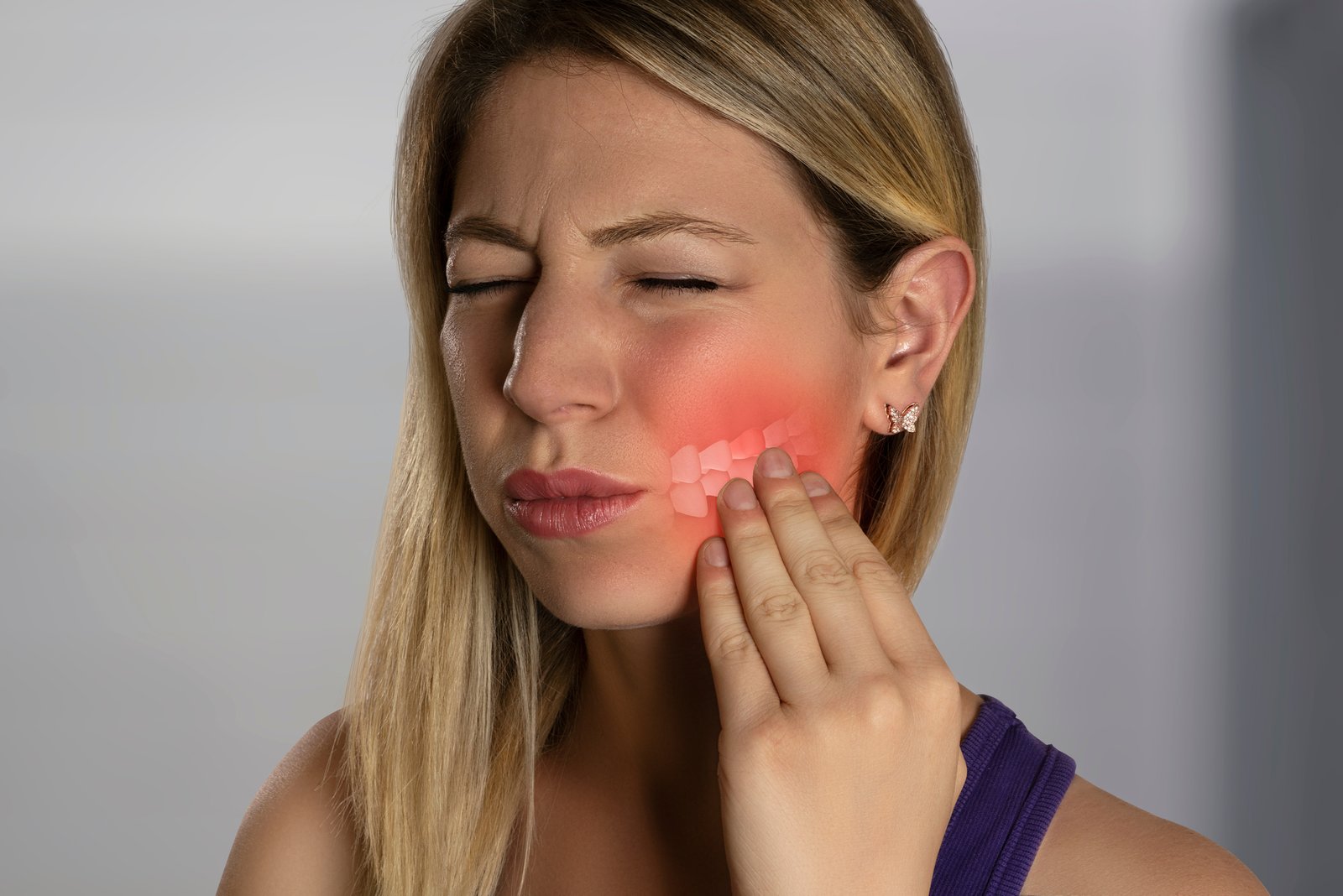
If your gums appear more swollen and red, and they bleed while brushing or flossing, this is a clear indication that bacteria may be causing gingivitis or possibly periodontitis, which are different stages of gum disease.

Gum disease can lead to bone loss and gum recession, which may cause your teeth to look elongated with noticeable dark spaces between them.
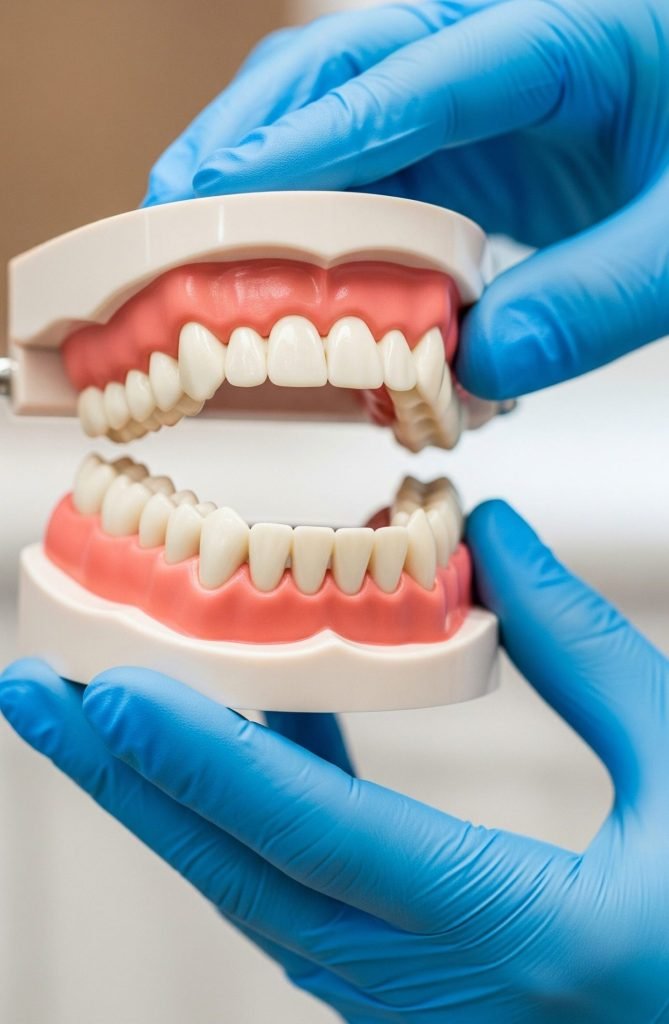
During your dental check-up, your dental clinician will evaluate your oral health using dental x-rays, gum measurements, and clinical findings. Based on their findings, you will be provided with a personalized treatment plan to get your oral health back on track.
In some cases, the entire mouth is not affected. We may recommend localized treatment and/or generalized treatment. It is best to have a full evaluation and explanation to understand your conditions and options.
You might be surprised to learn the mouth has a normal, diverse population of bacteria, 98% of which are either harmless or even beneficial to our health. However, when detrimental types of bacteria begin to outnumber the beneficial ones within the pockets that form between the gum and the tooth, problems start to arise.
These gum pockets are the perfect environment for destructive bacteria to thrive. Once this bacteria invades your gums, your body begins its attempt to fight off and get rid of the damaging bacteria. At this point you’ll notice your gums feeling red, tender, and swollen, and may even bleed with brushing and flossing. This is the earliest stage of periodontal disease known as gingivitis.
Gingivitis is not always painful. The only signs may be bleeding gums, bad breath that won’t go away, or more food getting trapped in the growing gaps between your teeth. It’s important not to ignore these early signs of gum disease because the good news is: gingivitis is completely reversible with a good dental cleaning and daily flossing and brushing!
However, if the harmful bacteria are not removed over time, they will attack the bone that supports your teeth. This can lead to receding gums, the loss of bone, and eventual tooth loss. This progressive disease is called periodontitis, and is responsible for 75% of adult tooth loss.
Nonsurgical periodontal therapy removes plaque and tartar from below the gumline. If areas of active disease haven’t resolved with initial therapy, we may recommend seeing a periodontist–a gum and bone specialist– to evaluate for more advanced treatment to help prevent eventual tooth loss and infection.
we are discovering that periodontal disease affects more than just your teeth and gums. When gums are chronically swollen and bleeding, the pathogenic bacteria can enter the bloodstream and travel to other parts of the body. These virulent bacteria can cause inflammation and damage in many other organs and play a role in diabetes, heart disease, arthritis, Alzheimer’s, and cancer. Therefore, maintaining healthy gums is critical for overall health.